POS & Retail Systems
Offline-first point-of-sale and retail software that unifies inventory, payments, and customers across every location.
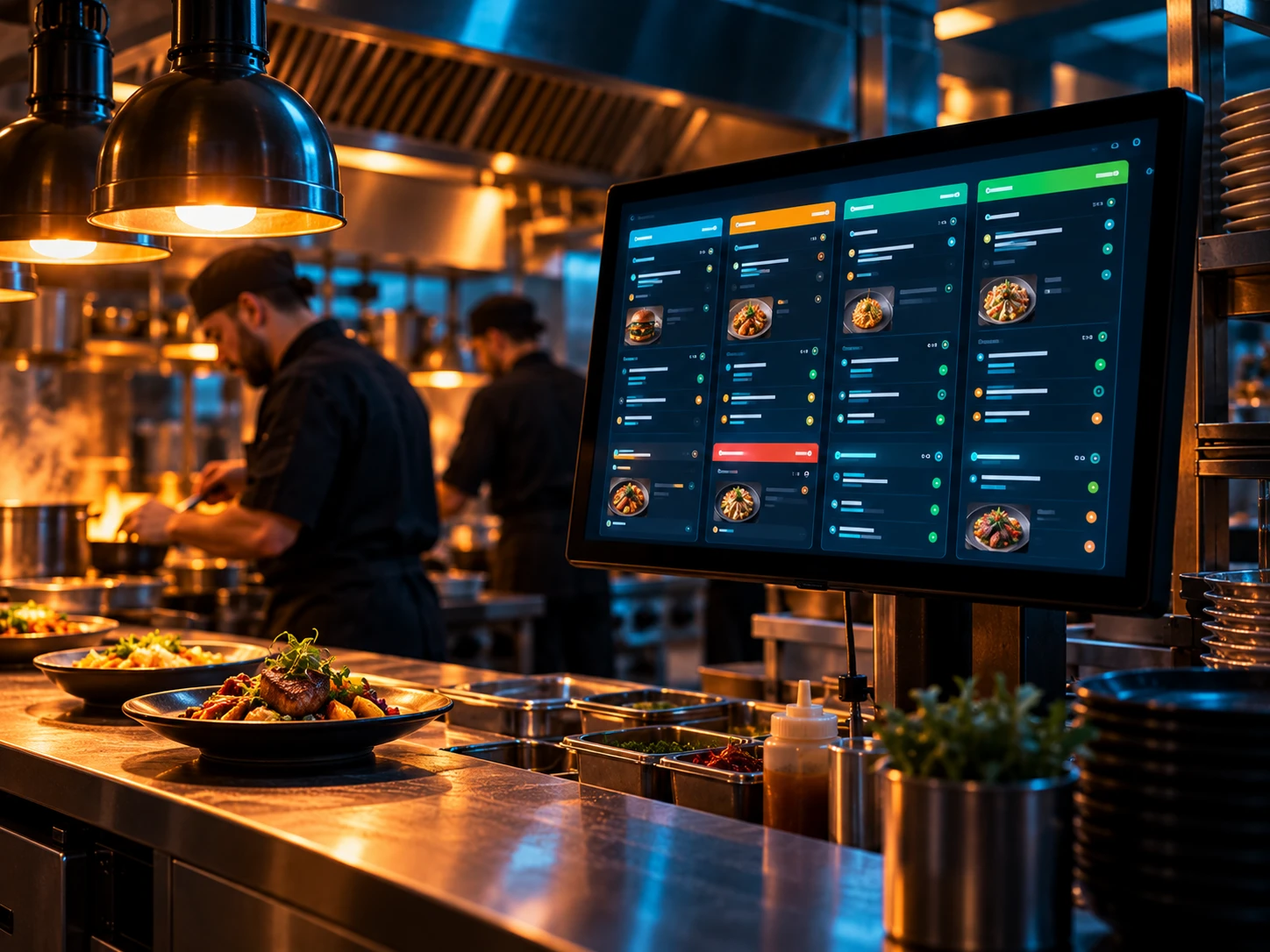
Point-of-sale software fails the moment it depends on a live connection — a dropped Wi-Fi signal shouldn't stop a cashier from ringing up a sale or a server from closing out a table. Prixelo builds POS and retail systems around that constraint from day one, covering restaurant floors (table management, kitchen display, split bills, tipping), retail counters (barcode and RFID scanning, stock alerts, loyalty), and self-checkout kiosks that pull labor off the front line. It's built for single-location cafes and shops as much as multi-site retailers and franchises that need one system running consistently across every register.
Under the hood, the client runs on React Native or Electron with a local SQLite database, so every terminal keeps taking payments, adjusting stock, and printing receipts even when the network goes down, then reconciles against a Node.js/PostgreSQL backend once it's back online. Stripe Terminal or Square handles card-present payments; that same backend runs the inventory and order management layer, keeping stock counts consistent across a store's web storefront, mobile app, and physical till, and talking to the receipt printers, cash drawers, and card readers already on the counter.
This isn't off-the-shelf POS with a new skin — it's software built around a specific floor plan, menu, or SKU catalog, sized to what the business actually runs. A single-store build starts at $12,000; a multi-location rollout with central reporting across sites starts at $35,000+, reflecting the added sync, reporting, and hardware-integration work that comes with scale.
Our process
Floor Mapping & Scope
We walk the register lanes, kitchen line, or checkout counter to decide what's needed: table and kitchen display for restaurants, barcode/RFID and loyalty for retail, or kiosk self-checkout.
Offline-First Build
We build the core on React Native and Electron with a local SQLite store, so sales, split bills, and stock checks keep working when the internet drops.
Hardware & Payments
We wire up Stripe Terminal or Square card readers, receipt printers, cash drawers, and barcode/RFID scanners so the software talks to the physical counter, not just a screen.
Rollout & Sync
We roll out store by store, syncing inventory and orders across web, app, and till through a Node.js/PostgreSQL backend, with central reporting for multi-location operators.
What we offer
Restaurant POS
Table management, kitchen display, split bills, and tipping for cafes and restaurants
Retail POS
Barcode and RFID scanning, stock alerts, and loyalty for shops and franchises
Self-Checkout & Kiosks
Tablet kiosks and self-checkout flows that cut queues and labor
Inventory & OMS
Omnichannel order and stock management synced across web, app, and store
Hardware Integration
Receipt printers, cash drawers, scanners, and Stripe/Square card readers
Technologies we use
Frequently asked questions

Tell us what
to build.
Bring us the one everyone said was too hard. Free, no-obligation reply within one business day — NDA on request.
POS & Retail Systems
A POS (point-of-sale) system is the software a business uses at the counter to ring up sales, take card and mobile payments, track stock, and keep customer records. Prixelo builds custom, offline-first POS and retail systems for cafes, restaurants, single shops, multi-location retailers, and franchises. Each terminal runs on React Native or Electron with a local SQLite database, so sales, receipts, and stock changes keep working when the internet drops, then sync to a Node.js/PostgreSQL backend once the connection returns. Depending on the business, a build can include table management and kitchen display, barcode and RFID scanning, loyalty and gift cards, self-checkout kiosks, and inventory shared across web, app, and store. Card payments run through Stripe Terminal or Square, and the software connects to receipt printers, cash drawers, and scanners already on the counter. A single-store POS starts from $12,000; multi-location systems with central reporting start from $35,000+.
Questions buyers ask
What does a custom POS system include?
A custom POS system includes the touchscreen checkout app, card and mobile payments, inventory and stock tracking, and loyalty and gift cards, plus reporting across locations. Restaurants usually add table management, kitchen display, split bills, and tipping; retailers add barcode or RFID scanning and stock alerts. It also covers hardware setup for receipt printers, cash drawers, scanners, and Stripe Terminal or Square card readers.
Should I build a custom POS or use off-the-shelf POS software?
Off-the-shelf POS software is usually the faster choice when your workflow matches its defaults. A custom build makes more sense when your floor plan, menu, SKU catalog, or multi-store setup keeps forcing workarounds, or when you need the till, web store, and app sharing one stock count. It is software shaped around how your business already runs, so it costs more upfront.
How does an offline-first POS keep sales and stock in sync?
An offline-first POS stores every sale, refund, and stock change in a local SQLite database on the terminal first, so checkout never waits on the network. When the connection is available, the terminal reconciles those records with a central Node.js/PostgreSQL backend, which then updates stock counts and reports for the other registers, locations, and online channels.
Can one POS manage inventory for my physical store and online shop?
Yes. The inventory and order management layer sits in the shared backend, so the physical till, the web storefront, and the mobile app all read and update the same stock counts and orders. This reduces overselling an item online that has already sold in store, and it gives multi-location operators one place to see stock across sites.
How is a POS system built and rolled out?
Work starts by mapping the register lanes, kitchen line, or checkout counter to decide which features are actually needed. The offline-first core is built next, then card readers, printers, cash drawers, and scanners are connected and tested. Rollout happens store by store, with inventory and orders syncing through the backend and central reporting added for multi-location operators.